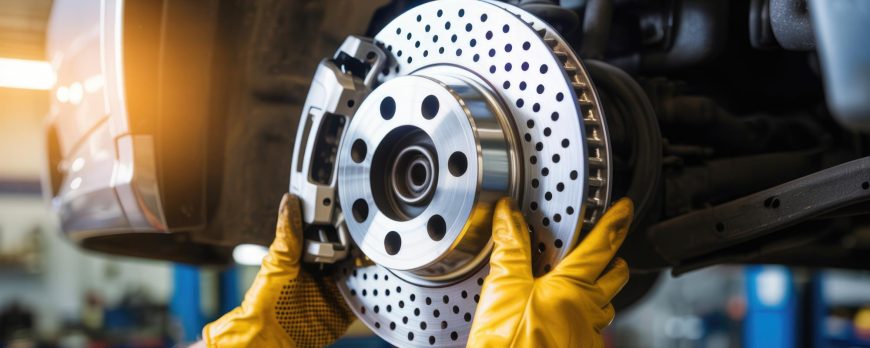

Brake repair is the mechanical process of diagnosing, servicing, and replacing essential deceleration components—such as brake pads, rotors, calipers, and hydraulic fluid—to restore a vehicle’s stopping power. Addressing early warning signs like squeaking brakes or a soft pedal prevents catastrophic brake failure and reduces overall maintenance costs. Automotive industry standards dictate that scheduling a brake pad replacement before the friction material wears below 3 millimeters protects the brake rotors from deep scoring and warping.
5 Critical Warning Signs Your Vehicle Needs Brake Repair
Driving through Green County requires reliable stopping power, especially when navigating sudden stops on State Highway 11 or dealing with unpredictable Wisconsin weather. If your vehicle exhibits any of the following symptoms, it is time for a comprehensive brake inspection.
1. High-Pitched Squeaking Brakes
Modern brake pads are engineered with built-in metallic wear indicators. When the pad material wears down to the critical 3mm threshold, this small metal tab scrapes against the brake rotor, producing a loud, continuous squeal. This squeaking brake symptom is a built-in early warning system. Ignoring this sound forces the pad past its safe operational limit, drastically increasing stopping distances.
2. A Loud Grinding Noise When Braking
A grinding noise when braking is a severe mechanical alert indicating that the brake pad’s friction material is completely depleted. At this stage, the metal backing plate of the brake pad is grinding directly against the cast-iron rotor. This metal-to-metal contact rapidly carves deep grooves into the rotor, often requiring a complete replacement of both the pads and rotors. If you hear grinding, searching for immediate brake repair near me is vital for your safety.
3. Steering Wheel Vibrations or Pulsation
If your steering wheel or brake pedal shakes violently when you apply the brakes at highway speeds, you likely have warped brake rotors. Rotors can reach temperatures exceeding 400°F during heavy braking. Over time, rapid heating and cooling cycles—or aggressively worn brake pads—can cause the rotor’s flat surface to become uneven. A professional auto repair shop in Brodhead will measure the rotor’s runout using a dial indicator to determine if it can be resurfaced or if it requires replacement.
4. A Soft, Spongy, or Sinking Brake Pedal
Your braking system relies on highly pressurized hydraulic fluid (typically DOT 3 or DOT 4) to multiply the force from your foot to the brake calipers. A brake pedal that feels squishy, or sinks completely to the floorboard, indicates a dangerous loss of hydraulic pressure. This is typically caused by:
- Air bubbles trapped in the brake lines.
- A failing master cylinder bypassing fluid.
- A visible brake fluid leak at the brake hose or caliper piston.
5. The Vehicle Pulls to One Side During Stopping
If your car violently jerks to the left or right when you press the brake pedal, the braking force is not being applied evenly across the axle. This lateral pull is most commonly caused by a seized brake caliper, a collapsed flexible brake hose, or uneven brake pad wear. Driving with a severe brake pull heavily compromises vehicle control, especially on wet or icy roads, and necessitates an immediate brake inspection.
Maintaining your braking system is not just about avoiding costly repairs; it is a critical investment in your personal safety and the safety of everyone else on the road. Do not wait for a minor squeak to turn into a dangerous metal-on-metal grind. If you are experiencing any of these five warning signs, secure your vehicle’s stopping power today by scheduling expert brake repair in Brodhead, WI, with the certified technicians at Blizard Auto Repair.