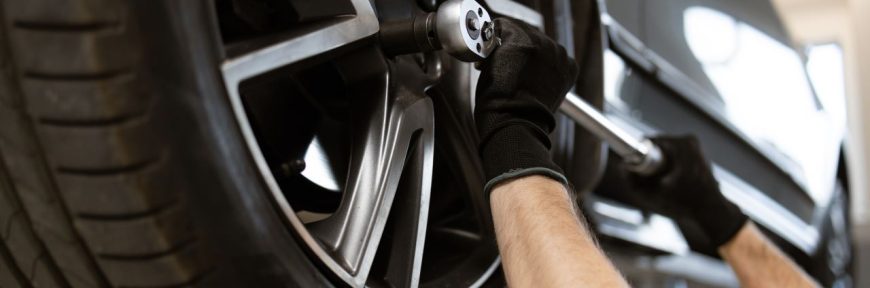
Prepping for the “Big Freeze”: A Master Tech’s Guide Wisconsin winters are a survival test for your vehicle. At Blizard Auto Repair, we see the casualties every January: dead batteries at 5:00 AM, frozen coolant lines, and cars stuck in ditches because of “bald” tires. A proper winter car maintenance checklist for Brodhead Drivers is your insurance policy against a $200 tow bill and a very cold walk home. 1. The Electrical Health Check (Battery & Alternator) The chemical reaction inside a lead-acid battery slows down significantly in the cold. At 0°F, your battery has about 50% less “cranking power” than it does at 80°F. 2. Tires: Traction vs. Temperature In Brodhead, all-season tires are actually “three-season tires.” 3. The “Anti-Freeze” Factor Your coolant (antifreeze) does two things: it prevents your engine from overheating AND from freezing. If your mixture is too diluted with water, it can freeze solid, cracking your engine block. We use a refractometer to verify your freeze protection is rated for at least -34°F. Safety First: We recommend a “Winter Survival Kit” in every trunk: jumper cables, a collapsible shovel, sand or kitty litter for traction, and a heavy blanket. If your car dies on a backroad outside Brodhead, that blanket is more important than your spare tire. FAQ: Winter Maintenance When should I switch to winter tires in Wisconsin? A good rule of thumb is the “Rule of 45.” When the average daily temperature drops below 45°F, all-season tires lose their effectiveness. Usually, this means early November in Brodhead. Why does my tire pressure light come on when it gets cold? For every 10-degree drop in temperature, your tires lose about 1 PSI. This is normal physics, but you should top them off immediately to maintain traction and fuel economy. Is it okay to use regular water in my wiper reservoir? No! It will freeze and shatter the reservoir or pump. Use a winter-blend fluid rated for -20°F or lower to clear road salt and grime. Do I need a block heater in Brodhead? For most modern cars, no. However, for diesel trucks or older high-mileage vehicles, a block heater ensures easier starts and reduces engine wear on those -20°F mornings. How often should I wash my car in winter? At least once a week. Use an underbody wash to remove the salt and magnesium chloride that eat through your brake lines and frame.