
Decoding the Dashboard: What Your Check Engine Light Is Really Telling You
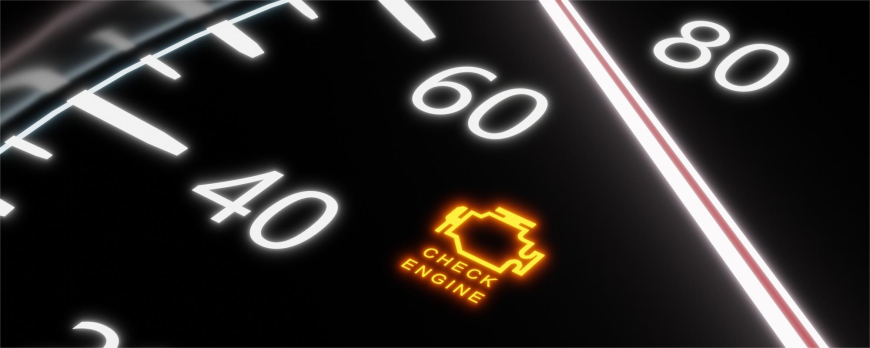
We’ve all been there. You’re driving down Highway 11, the heater is finally kicking in, and then you see it—that steady, ominous orange glow on your instrument cluster. For many drivers, the Check Engine Light (CEL), or Malfunction Indicator Lamp (MIL), feels like a “check wallet” light.
As a master technician, I look at that light differently. It’s not a generic “broken” signal; it’s a gateway to your vehicle’s OBD-II (On-Board Diagnostics) system. Your car’s computer, the Engine Control Module (ECM), has detected a parameter that has fallen out of its programmed range. Whether it’s a minor evaporative leak or a catastrophic engine misfire, the light is your first line of defense.
The Most Common Culprits: From Simple to Complex
In my years under the hood at Blizard Auto Repair, I’ve seen thousands of CELs. Here is the technical breakdown of what is usually happening:
- The Evaporative Emission (EVAP) System: This system’s job is to trap gasoline vapors before they escape into the atmosphere. The most common code we see is P0442 (Small Leak Detected). Quite often, this is caused by a gas cap with a cracked rubber seal. If the cap doesn’t hold a specific pressure, the vacuum sensor triggers the light.
- Oxygen (O2) Sensors: These sensors monitor how much unburned oxygen is in the exhaust. If a sensor fails, your engine doesn’t know how to adjust the air-fuel ratio, leading to poor gas mileage and eventually “plugging” your catalytic converter.
- Mass Air Flow (MAF) Sensor: This measures the amount of air entering the engine. If it’s dirty or faulty, your car might stall or hesitate. We often find these are fouled by over-oiled aftermarket air filters.
- Catalytic Converter: If you ignore an O2 sensor or a misfire, the “Cat” will eventually fail (Code P0420). This is an expensive repair involving precious metals like platinum and palladium.
Steady vs. Flashing: The Tech’s Warning
If your light is steady, the computer has found a problem, but it isn’t an immediate “pull over now” emergency—though you should still book a diagnostic soon. However, if the light is flashing, stop driving immediately. A flashing CEL indicates a Type A Misfire. This means raw fuel is being dumped into the exhaust, which can reach temperatures exceeding 1,200°F, potentially melting your catalytic converter in minutes.
The Blizard Diagnostic Process
We don’t just “clear the codes.” Using professional-grade Snap-on or Autel diagnostic tablets, we look at “Freeze Frame Data.” This tells us exactly what the RPM, engine load, and temperature were at the moment the light triggered. We then perform a manual pinpoint test to ensure we aren’t just replacing a part, but fixing the root cause.
Frequently Asked Questions (FAQ) – All Topics
Why is my check engine light flashing? A flashing check engine light indicates a severe engine misfire. This means unburned fuel is entering the exhaust system, which can quickly overheat and destroy your catalytic converter. You should stop driving immediately and have the vehicle towed to Blizard Auto Repair to avoid thousands of dollars in damage.
How can I tell if my battery or starter is bad? If you turn the key and hear a rapid clicking, it is usually a weak battery or a poor connection. If you hear a single loud “clunk” but the engine doesn’t turn over, the starter motor is likely the culprit. At Blizard, we perform a voltage drop test to pinpoint the failure.
Can a cold battery be recharged? Yes, but only if it hasn’t frozen. A fully charged battery won’t freeze until -76°F, but a dead battery can freeze at 32°F. If the battery case is bulging or cracked, it must be replaced. Never attempt to jump-start or charge a frozen battery, as it can explode.
Does 4WD or AWD use more gas in the winter? Yes. Engaging four-wheel drive creates more mechanical friction because the engine must turn extra driveshafts and gears. Additionally, the extra weight of AWD systems contributes to the 10-20% drop in fuel economy typically seen during Wisconsin’s winter months.
Is it safe to drive with the check engine light on? If the light is steady (not flashing) and the car feels normal, you can usually drive it to a shop. However, ignoring it can lead to decreased fuel economy and the failure of other components, such as the oxygen sensors or the catalytic converter, resulting in much higher repair costs later.